WordScene / 译笺
Translation that becomes a reusable language library.
01 / Overview
02 / Product evidence
Product evidence from the real build.
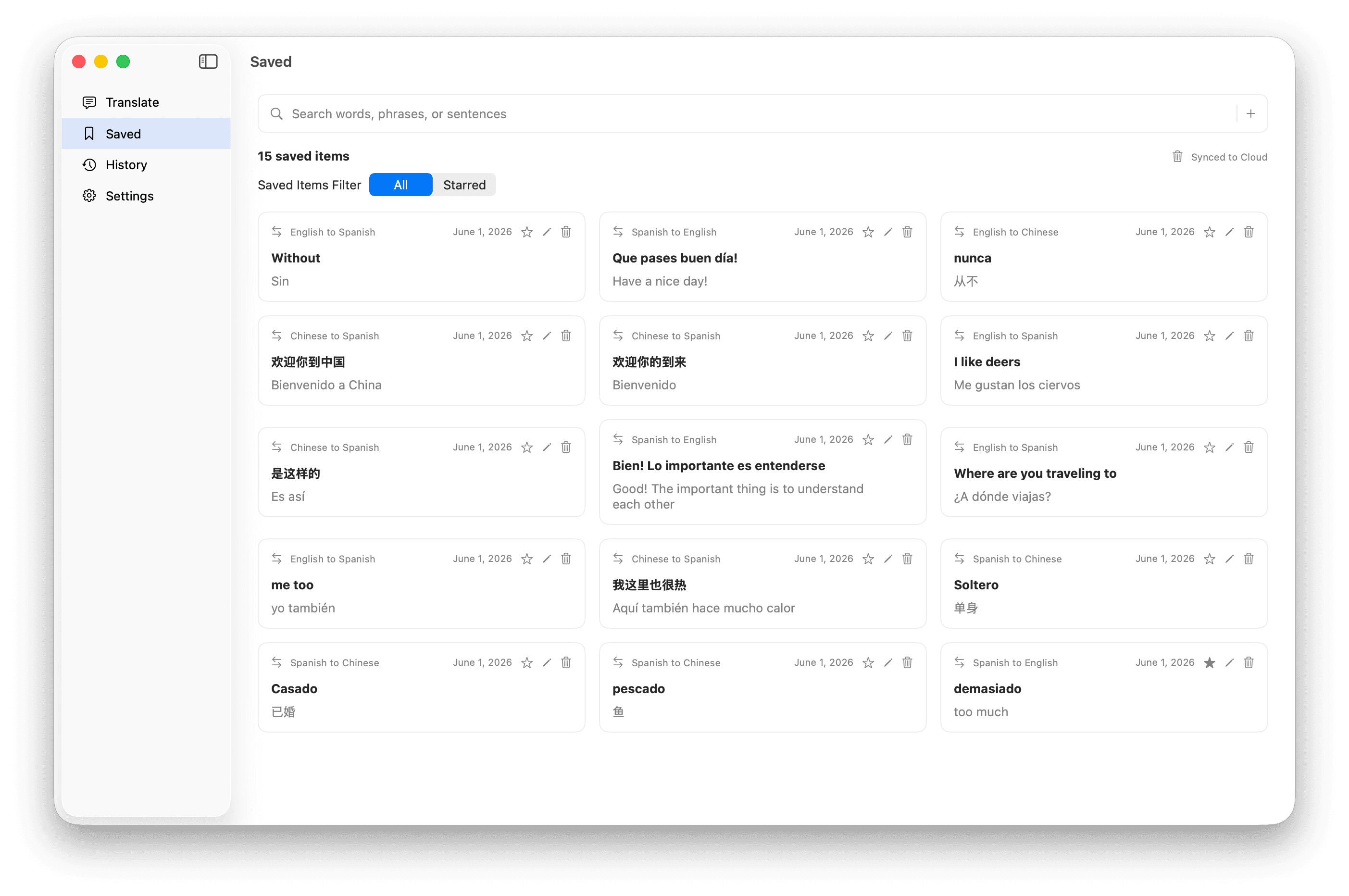
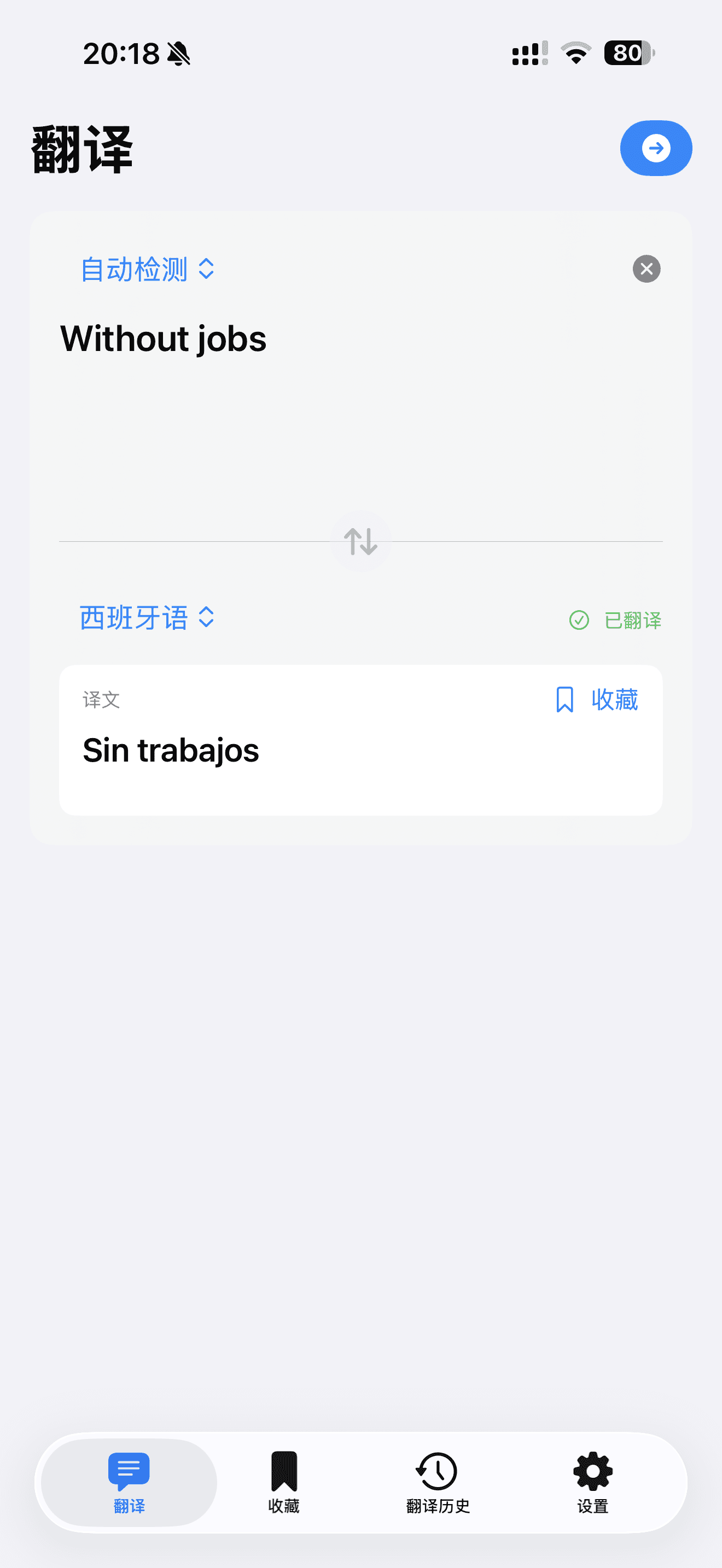
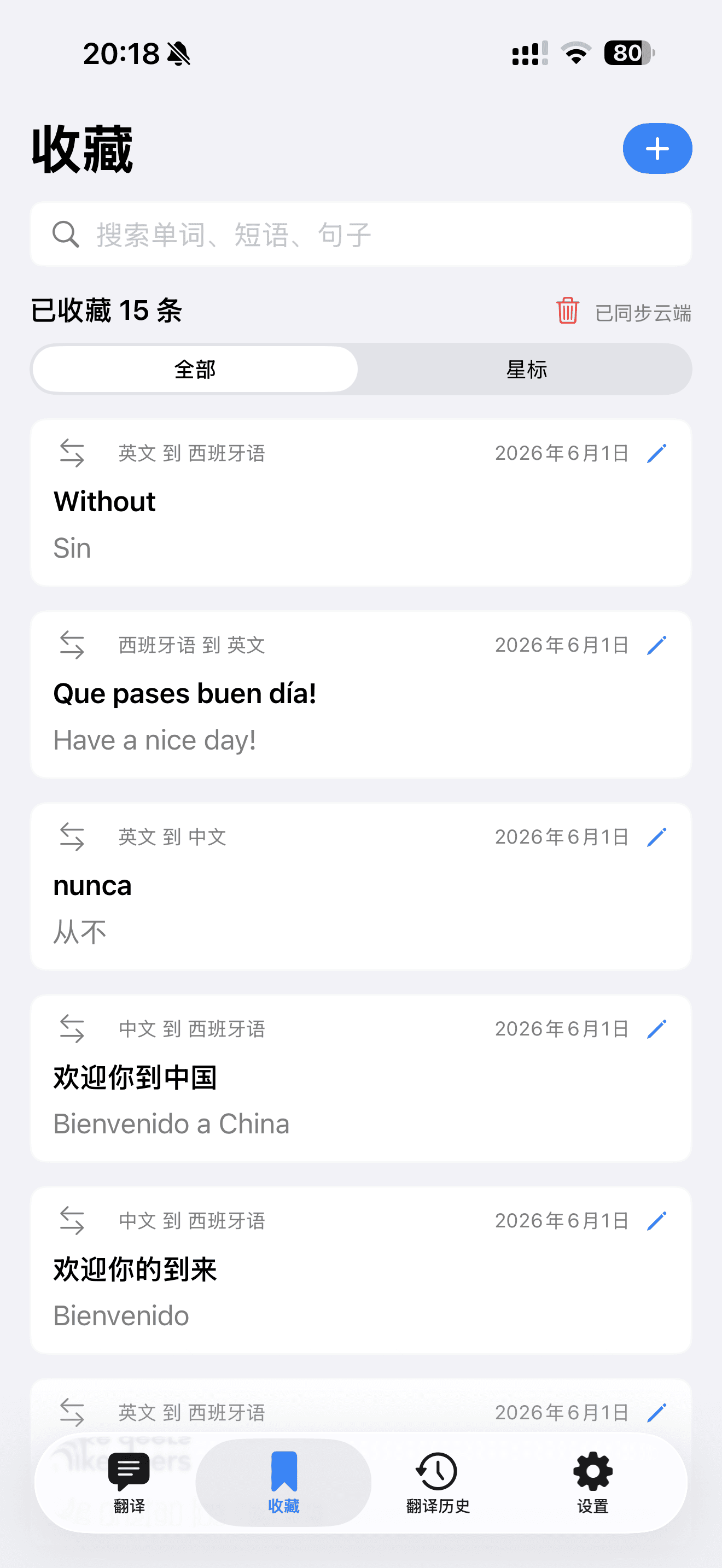
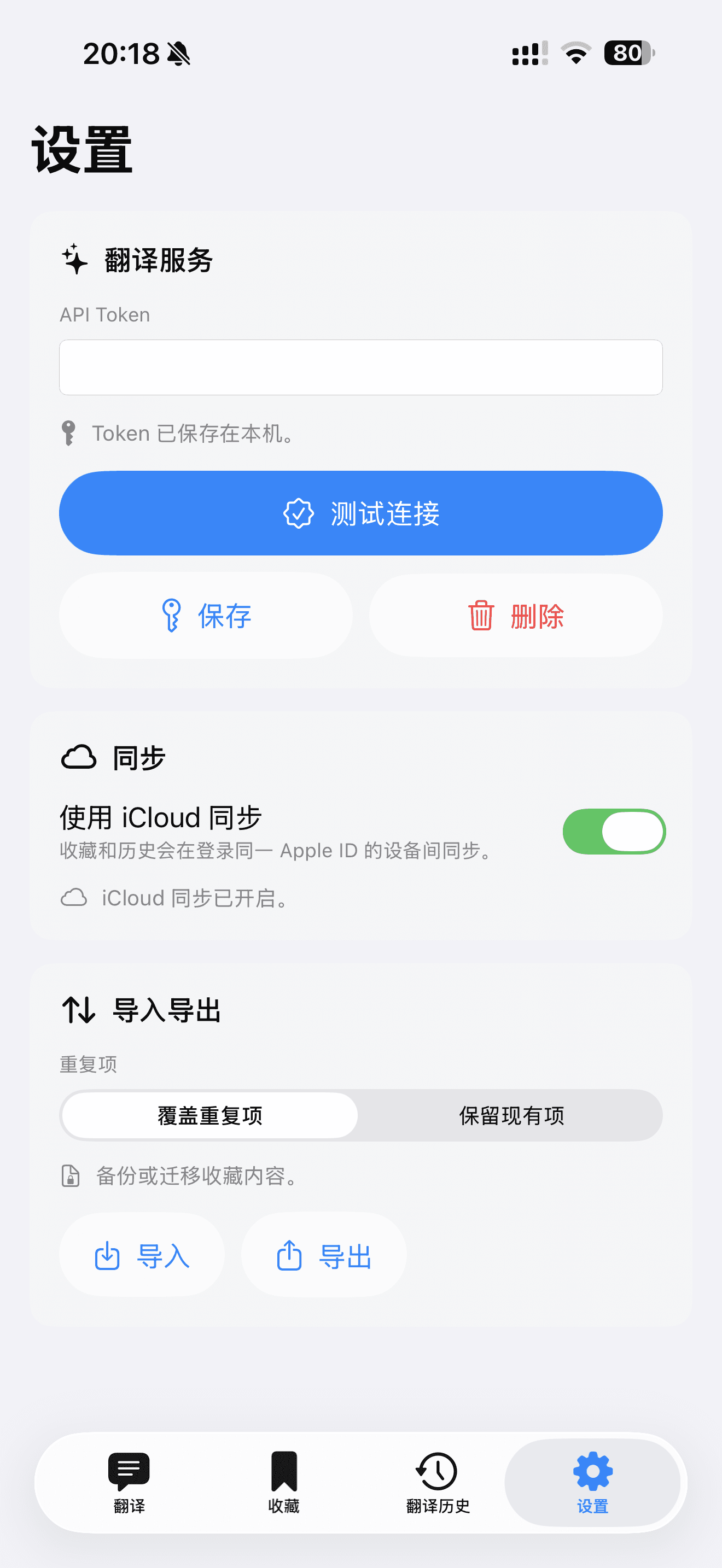
These screens come from the version 1.0.4 release assets shipped with the WordScene repository, not portfolio-only mockups.
03 / The problem
Most translation output is disposable: it solves the immediate sentence, then disappears from the learner’s workflow. WordScene connects translation, retrieval, and reuse in one native workspace instead of treating them as separate tools.
Constraints
01Secure user-supplied API credentials02Structured streaming output03Shared iOS and macOS codebase04Optional cloud sync0518 target languages04 / System approach
A native product surface with explicit boundaries for model access, persistence, and sharing.
Provider code, Keychain credentials, local persistence, optional CloudKit sync, and share handoff remain behind separate service boundaries so each failure stays diagnosable.
05 / Technical challenges
Predictable model output
Stream SSE responses while incrementally extracting a strict JSON translation payload and surfacing actionable provider errors.
Credential boundaries
Store the user’s token in Keychain and keep extension access scoped instead of embedding secrets in the app.
Durable language memory
Unify saved phrases and recent history with Core Data, migration paths, search, import/export, and optional CloudKit sync.
System-level entry points
Translate shared text through an iOS Share Extension and route clipboard prompts through the main app without duplicating workflow logic.
06 / Outcome
Outcomes bounded by available evidence.
Capabilities are verified against the public version 1.0.4 main branch, released under GPL-3.0-only. No adoption or accuracy metrics are invented.